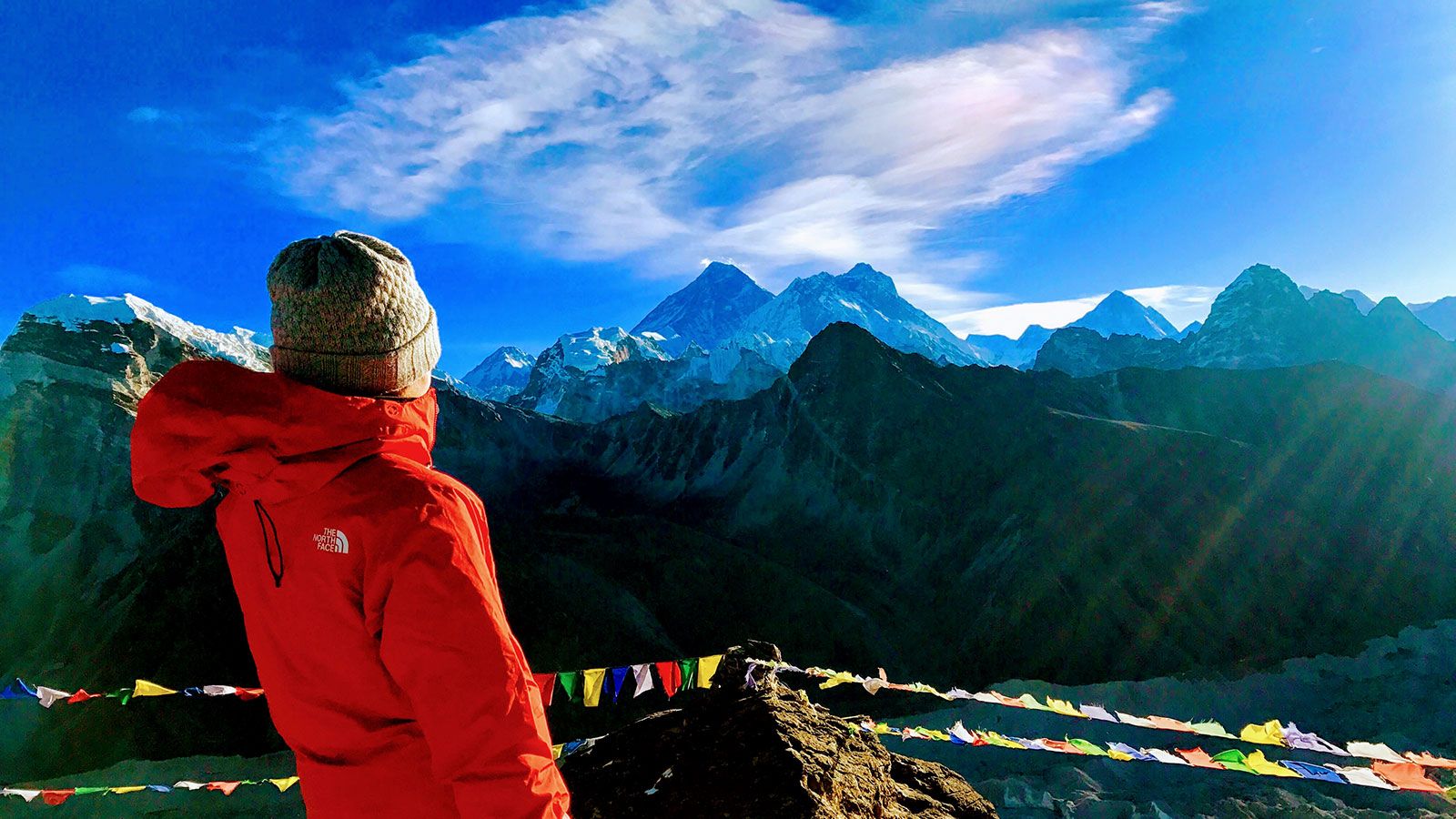
Gokyo Cho-la Pass via Everest Base Camp Trek
Gokyo Cho-la Pass via Everest Base Camp Trek Highlights
- Traverses a variety of environments, such as lush valleys, high-altitude settlements, dense forests, and glacial moraines.
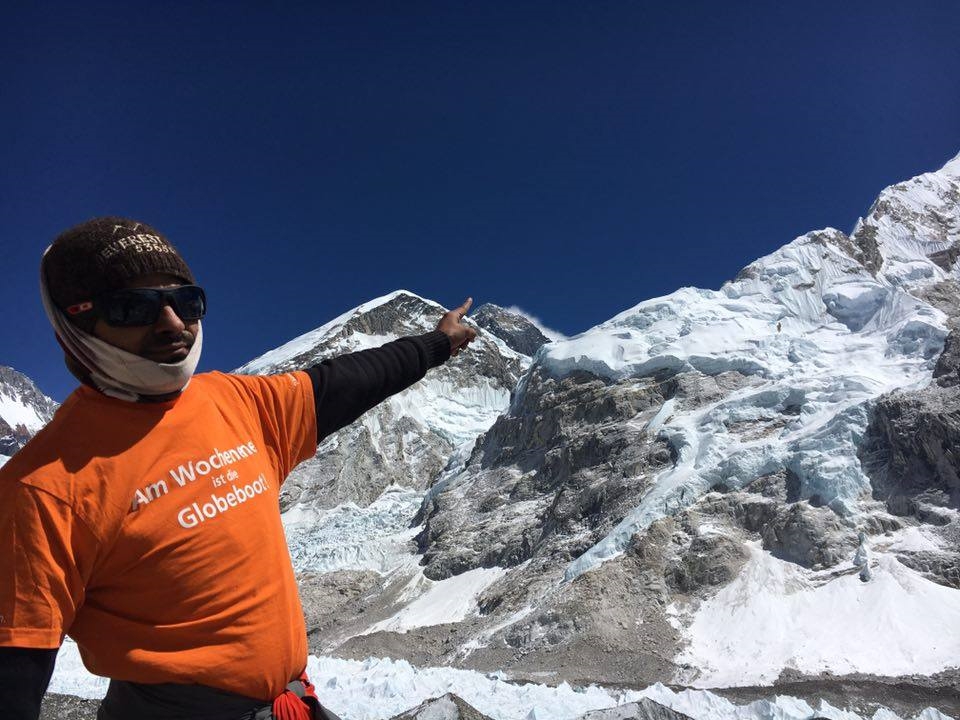
- Breathtaking vistas of mountains with snow, including Mount Everest, Lhotse, and Ama Dablam.
- Chance to enjoy the hospitality and distinctive culture of the Sherpa people.
- Visit the captivating lakes of Gokyo Valley.
- Gorgeous sweeping views of the Everest region can be seen when crossing the Chola Pass.
- See vibrant Buddhist monasteries and prayer flags while hiking the route.
- Discover the Sherpa culture that has been greatly influenced by Tibetan Buddhist customs.
- Breathtaking vistas of Cho Oyu, the sixth-highest mountain in the world.
- Gokyo Ri is a viewpoint that provides expansive views of the Everest region, which includes the peak of Mount Everest.
- Reach the top of Kala Pattha, a well-known vantage point.
A well-liked and difficult trekking route that combines the breathtaking Everest base camp trek with a detour to the Gokyo lakes and a traverse of the high-altitude Cho-la pass is the Gokyo Chola pass trek via Everest base camp. Gokyo Cho-la Pass via Everest Base Camp Trek provides breathtaking views of the Himalayan peaks, spotless lakes, and a chance to immerse oneself in the distinctive Sherpa culture.
Situated at an elevation of 5364 meters on the southern flank of Mount Everest, the highest peak globally, is Everest Base Camp. It offers stunning views of the mountain range known as the Himalayas. The trail winds through a variety of environments, such as verdant valleys, dense forests, high-altitude communities, and glacial moraines.
Best time to visit
Fall (September to November) and spring (March to May) are the ideal times to visit the Gokyo Chola pass trek via Everest base camp. The best weather and breathtaking Himalayan vistas are experienced during these seasons.
The springtime brings with it longer daylight hours, moderate temperatures, and generally clear and stable weather. The hike is made even more pleasant by the abundance of lush vegetation and blooming rhododendron flowers that line the trails.
Harvest season is in the fall and winter. The hills will become colorful as the leaves on the trees turn yellow, orange, red, and brown. Although it’s still warm in lower elevations and chilly in high mountains, daytime walking temperatures are at their most comfortable during the day.
Trekking over the Gokyo Chola Pass via Everest base camp is not recommended during the winter or monsoon season. While the monsoon season brings heavy rainfall that makes the path muddy, slippery, and less safe, the winter season brings cold temperatures, a lot of snowfall, and fewer teahouses available.
Altitude sickness
You might experience symptoms like nausea, headaches, dyspnea, elevated heart rate, and uneasiness when rapidly ascending. Additionally, if the symptoms last longer than expected, your body may not have been able to withstand the altitude change. Thus, kindly inform your group and your guide if you experience any of these symptoms. You will receive first aid right away from your guide.
Here are some tips to reduce your risk of altitude sickness:
- Stop and rest where you are.
- Do not go any higher for at least 24 to 48 hours.
- Make sure you are drinking enough water.
- Do not smoke, drink alcohol, or exercise.
Accommodation and Foods
Teahouses along the trek typically offer simple rooms with shared bathrooms and a bed. There are blankets, bed linens, pillows, and mattresses on the beds. For a small additional fee, hot water is available. Nowadays, most hotels have geysers; if not, you’ll get a bucket of warm water.
Tea shops and lodges serve a wide variety of tasty food to cater to different types of hikers. Since all of the food will be prepared by a local chef using vegetables from the area, it will have a very distinctive flavor. Nonetheless, cuisine from Nepali, Indian, Italian, Tibetan, and continental teahouses is available.
Travel Insurance
Obtaining travel insurance is highly advised prior to embarking on a Gokyo Chola pass trek via Everest base camp. There will be high-altitude trekking during the trip, which could be hazardous and physically taxing. Verify if your insurance includes coverage for hiking at high altitudes, medical costs, helicopter emergency evacuation, trip cancellation, and loss or theft of personal belongings. In the case of an unplanned accident, it can provide you with financial security and peace of mind.
But, depending on your plan, you might also want to think about getting extra insurance for adventure sports, hiking, and mountaineering. Read the insurance documentation carefully and familiarize yourself with the coverage before making a purchase.
Permits
You need to obtain necessary permits to undertake Gokyo chola pass trek via Everest base camp. They are:
- Sagarmatha National Park Entry Permit.
- Trekker’s Information Management System Card (TIMS).
Guide and Porter
For the Gokyo Chola Pass trek via Everest base camp, hiring a guide and porter can improve your trekking experience, safety, and offer insightful cultural information, allowing you to enjoy the trek to the fullest. They can provide you insightful information about the customs, history, and culture of the Everest region. They can elucidate the significance of festivals, monasteries, and other cultural features you come across during your travels.
They also know the alternate routes and the state of the trails. In a similar vein, a porter helps you hike with a lighter load by carrying your bulky backpack. Consequently, you are welcome to work with us to hire a licensed trekking guide and porter with insurance who is very experienced, kind, and fluent in English.
Gokyo Cho-la Pass via Everest Base Camp Trek Itinerary
Arrival at Kathmandu and Transfer to Hotel
Fly to Lukla and Trek to Phakding (4 hr walk)
Trek from Phakding to Namche Bazzar (6 hr walk)
Rest Day at Namche Bazzar
Trek from Namche to Porche (5 hr walk)
Trek from Porche to Machhermo (5 hr walk)
Trek from Machhermo to Gokyo (6 hr walk)
Acclimatization Day at Gokyo
Trek from Gokyo to Dragnag (3 hr walk)
Trek from Dragnag to Dzongla via Cho-la Pass (5 hr walk)
Trek from Dzongla to Lobuche (5 hr walk)
Trek from Lobuche to Gorakshep via Everest Base Camp (8 hr walk)
Trek from GorakShep to Pheriche via Kala Patthar
Trek from Pheriche to Namche (5 hr walk)
Trek from Namche to Lukla (4 hr walk)
Fly Back from Lukla to Kathmandu
Departure at Tribhuvan International Airport
Gokyo Cho-la Pass via Everest Base Camp Trek Inclusions
What's included
- International airport pickups and drops then transfer to hotel by private vehicle
- Domestic flight from Kathmandu to Lukla to Kathmandu
- Pick and drop from Domestic airport to hotel and vice versa
- Accommodation for two-night hotels in Kathmandu with twin sharing room
- Trekking permits and TIMS card
- Experienced & English speaking License holder guide (Insurance, daily wages, equipment, meals and accommodation for guide )
- Medical Support Kit Box
- Farewell Dinner (Nepali Cuisine )
- All taxes and company service charges
Add-ons
What's not included
- International airfare and visa fees
- Lunch and dinner in Kathmandu
- Personal expenses of bar and beverage bills, wifi, hot shower, bottle of water, extra porters, laundry or any other things which are not mentioned by the company
- Your trekking gears and extra nights in a certain destination
- Your travel insurance which should include the emergency rescue
- Tips for your guide and porters
- Entrance fees during the sightseeing
- Extra expenses due to any event such as strikes, weather conditions, or flight delays
Gokyo Cho-la Pass via Everest Base Camp Trek FAQs
Difficulty?
The trek to Everest Base Camp via Gokyo Lakes and Cho La Pass is more difficult than the traditional EBC route. To take on the challenge, one needs to read and learn crucial information, consult with others, and improve their preparation with a positive mindset. This trek is more adventurous because it is more technically complex than some of the other treks in the Everest region. You won't have any problems on the trek if you have minimal technical skills and are physically fit and acclimated. Hearing from others about the difficulties and other challenges of this trek can sometimes simply overwhelm trekkers. Our knowledgeable travel advisors will help you prepare for this challenge and provide better advice.
Best Season?
The best times to trek to Everest Base Camp via Gokyo Lakes and Cho La Pass are from March to May, which is pre-monsoon season, and from late September to December, which is post-monsoon season. Although the trek is best enjoyed in the aforementioned months, it is also feasible to complete it in February and early September.
Will I need Oxygen on Trek?
No. Since our itinerary is planned to allow for adequate acclimatization, oxygen is typically not needed for the trek. To avoid getting sick, we also start with Diamox, a drug that suppresses the symptoms of altitude sickness. However, we will immediately descend to a lower altitude if you experience severe altitude sickness.