Ghorepani Poon Hill Circuit Trek
Ghorepani Poon Hill Circuit Trek Highlights
Sunrise at Poon Hill – one of the most famous viewpoints in Nepal.
Trekking through rhododendron forests, terraced farmlands, and Gurung–Magar villages.
Natural hot spring bath at Jhinu.
360° panoramic views of Annapurna, Dhaulagiri, Machhapuchhre, and Manaslu ranges.
Cultural immersion with warm hospitality in mountain villages.
Overview of Ghorepani Poon Hill Circuit Trek:
The Ghorepani Poon Hill Circuit Trek is one of the most famous short treks in Annapurna, which is known for being easy, moderately difficult, and a balanced combination of natural ambience and culture. Otherwise called the “Annapurna Panorama Trek,” it basically caters to the average trekker, family, or those who want a glimpse of the grandeur of Himalayas but just cannot go to extreme altitudes. Somehow, the biggest feat of the trek is the climb up to Poon Hill (3,210 m) for the panoramic 360° sunrise views of the Annapurna and Dhaulagiri ranges: Mt. Machhapuchhre (Fishtail), Annapurna South, Hiunchuli, and Nilgiri. This circuit trek presents the opportunity to keep the distances within the lower elevations compared to the much longer Annapurna Circuit, which keeps it less demanding yet equally rewarding. The trail dances through terraced farmlands, rhododendron and oak forests, rivers, and picturesque Gurung and Magar villages. Every day brings something new: the steep stone steps of Ulleri, the cultural richness of Chhomrong, chilling at the hot springs of Jhinu, and tranquil forest walks of Tolkha and Pothana.Being a trek of 7–10 days, it perfectly blends of mountain scenery, village life, and cultural immersion, making it a true treasure among Nepalese treks.
Culture at Ghorepani Poon Hill Circuit Trek:
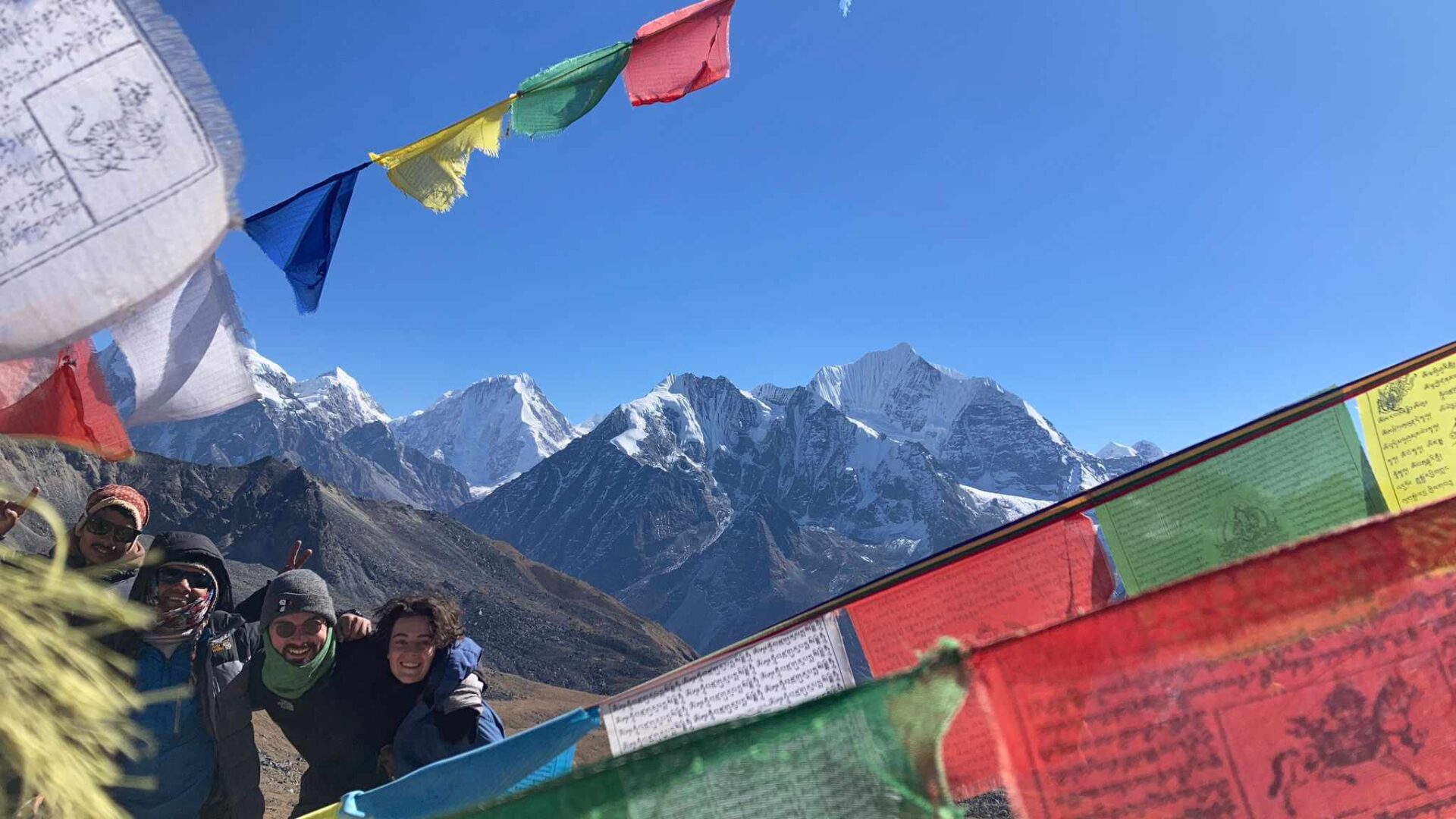
The trek is not only about mountains but is indeed a good soak in culture. The villages along the Ghorepani–Poon Hill Circuit are mostly populated by the Magar and Gurung peoples, who are two of Nepal’s bigger ethnic groups. The Gurungs, because of their fighting skill, are said to have become the most celebrated among Khas Gurkha troops in history. Villagers are really kind, intensely spiritual, and traditionally did agricultural work and animal husbandry. In places like Chhomrong, you will find stone-roofed homes, prayer flags waving in the air, and small monasteries practicing their Buddhist traditions. The Magars, particularly in Ghorepani, are equally warm; they are known for their folk dances and traditional music. Major festivals like Dashain, Tihar, and Losar (Tibetan New Year) are marked by colorful rituals, dances, and community gatherings. Trekkers often catch close-up views of cultural performances or interact with locals in simple tea-houses. There is an ethos of hospitality in the culture where the foreigners sojourning through the villages are treated almost like honored guests.
Food at Ghorepani Poon Hill Circuit Trek:
Food on the Ghorepani Poon Hill Trek is a hearty, homemade cuisine fed to trekkers so as to keep them well energized throughout long walking days. Most meals are served at local teahouses along the trail, interspersing Nepali, Tibetan, and international cuisine. The staple food is undoubtedly Dal Bhat-plates of steamed rice, lentil soup, seasonal vegetables, pickle, and occasionally meat. Dal Bhat is considered a super-serving for trekkers as it tends to be highly nutritious, filling, and limitless in refills. Other major dishes are fried rice, noodles, momos (dumplings), Tibetan bread, and soups. Pancakes, porridge, muesli, and hot beverages such as ginger tea, masala tea, and lemon-honey tea make for a warm breakfast in the high places like Ghorepani and Tadapani. Western food like pasta, pizza, or omelets is also available in the higher regions, and the further one gets from Pokhara, their prices tend to go much higher. The premise is that being carried up by porters and mules, trekkers should try to consume a maximum quantity of food from the local cuisine instead of packaged foodstuff. Eating in teahouses is not merely about filling one’s stomach but about sharing warmth and stories in cozy dining halls that are often heated.
Accommodation at Ghorepani Poon Hill Circuit Trek:
Accommodation on the trek is typical teahouse trekking in Nepal. Teahouses are normally family-operated guest dwellings that have very modest yet comfortable accommodation and freshly prepared food. Rooms are very basic having two beds, wooden walls, and common bathrooms; some teahouses in bigger villages like Ghorepani and Chhomrong provide the option of an attached bath with slightly better facilities. They may provide a pillow with a blanket, but trekkers are advised to keep a sleeping bag for additional warmth, especially in the cold season. The greatest attraction for these teahouses is their common dining area where trekkers meet for warmth, food, and conversation. A stay in these lodges offers a vivid insight into the lives of the local families and their hospitality. Trekkers do have a variety of modern hotels and tourist lodges in Pokhara and Kathmandu, but beyond that, it is extraordinary Himalayan genuineness melded with the simplicity of a teahouse stay. Also positivity with the beautiful family scape around.
Guide & Porter during Ghorepani Poon Hill Circuit Trek
Hiring a licensed guide and porter for the Ghorepani Poon Hill Circuit Trek is always recommended, especially for new trekkers in Nepal. The guide ensures trekking stays on the chosen route and enriches the experience with a touch of local culture, history, and tradition. Guides possess first aid knowledge, safety considerations, and an understanding of high-altitude matters, making them indispensable during emergencies. Porters shoulder the heavy luggage, so trekkers can enjoy walking without the hassle of a heavy backpack. This type of work supports local mountain communities, as they rely heavily on guiding and porter assignments for income. Most companies adhere to one porter for two trekkers rule, with their weights ranging from 20 to 25 kg. This adds an element of cultural interaction, as many porters will share personal stories or place trekkers in contact with local families along the route. A good guide and porter provide invaluable companionship that goes beyond the basics, marking the trek with unforgettable memories.
Best Seasonal Period for Ghorepani Poon Hill Circuit Trek
The ghorepani Poon Hill trek may be done anytime during the year, but the best seasons are spring (March to May) and autumn (September to November). Particularly during spring, it is magical as the rhodo forests along the trail burst into colors of deepest crimson, soft pinks, and whites-a natural wonderland. The days tend to be mild and clear, while at night, it gets a bit chilly. Autumn is the peak trekking season in Nepal-whether it would have been any earlier or later, it offers the best conditions-crystal clear mountain views, dry trails, and stable weather conditions. The freshness of the post-monsoon season makes the forests greener and skies so sharply juxtaposed. Winter-trekking in this region is again possible-but with it comes gnarly cold air and occasional snow that can make the upper reaches of Ghorepani and Tadapani difficult. Summer, on the other hand, is the monsoon period when heavy downpours make trails very slippery, attract leeches in plenty, and limit visibility. But the monsoon showers also bring a new hue of very greenish to the walls, which is so soothing amid the beguiling silence of rare bunkers! So, in a brief nutshell, spring and autumn remain the favorite seasons for clear views and enjoyable trekking conditions.
Altitude Information of Ghorepani Poon Hill Circuit Trek
Trekking the Ghorepani Poon Hill Circuit is considered a low-altitude and medium-altitude expedition. Hence, it is open to a wide spectrum of trekkers. Starting at Nayapul in altitude 1,070 m, the whole route moves in a quite gradual manner to a high point at Poon Hill, 3,210 m. This height is safe for most of the people and assumes fewer risks for altitude sickness, though trekkers may face mild shortness of breath while ascending steep terraces such as in Ulleri. The trail basically appreciates a descent and ascent in a very gradual manner, allowing the body to acclimatize naturally. Villages at Tikhedhunga (1,577 m), Ghorepani (2,874 m), Tadapani (2,630 m), and Chhomrong (2,170 m) offer very good acclimatization stops. The trek does not go above 3,500 m, thus steering clear of serious hazards typical for high-altitude trekking, such as Annapurna Base Camp or the Everest region. Nonetheless, trekkers should hydrate well, walk slowly, and never rush hitting the slopes to ensure a smooth and healthy trip.
Permits Required for Ghorepani Poon Hill Circuit Trek
There are two permits which must be obtained in order to trek from Ghorepani to Poon Hill: the Annapurna Conservation Area Permit and the Trekkers’ Information Management System Card.
- ACAP (Annapurna Conservation Area Permit): The procedure has been set into motion to carry out, conserving, and maintaining natural resources, wildlife, and cultural heritage areas in the Annapurna Region, along with adjoining areas and developmental work by locals.
- TIMS Card: The Trekkers’ Information Management System card ensures the safety of trekkers by keeping records of trekking routes and maintaining a database that can be accessed during emergencies.
The Tibet Tourism Board office in Kathmandu or Pokhara issues both permits. Currently, foreigners have to pay around NPR 3,000 for ACAP and NPR 2,000 for TIMS, though these fees may fluctuate. Carrying these permits is compulsory and these validations are carried out at several entry points lying along the trail. Valid permits help not only to venture legally but also strengthen some level of sustainable tourism into the Annapurna region.
The Ghorepani Poon Hill Circuit Trek is a showcase of the Himalayan adventure, cultural interaction and natural splendour that puts it head and shoulders above the other short treks in Nepal. Unlike the high altitude expeditions mentioned previously, this trek is an ideal destination for new trekkers and experienced hikers, in that it has the potential for amazing views of the Annapurna Range and Dhaulagiri Range without the high elevation risks involved. In addition to the magnificent mountain scenery, the trek introduces trekkers to the warm hospitality of the Gurung and Magar peoples, traditional villages, and the colourful rhododendron forests that explode each spring. The viewing sunrise from Poon Hill (3,210 m) is a once-in-a-lifetime experience, and it also has natural hot springs at Jhinu Danda that allow comfort and relaxation to accompany the adventure. With teahouse accommodation and wholesome food widely available, and help from experienced guides and porters, the trek has an overall balance of comfort and depth of culture. In only 7–10 days, you have earlier stated in longer treks, breathtaking panoramas, cultural diversity, and personal fulfillment. Whether you are a first-time trekker who wants manageable challenge, or in reality short on time, the Ghorepani Poon Hill Circuit will allow you memories of Nepal and its people that will last a lifetime.