Annapurna Circuit Trek
Annapurna Circuit Trek Highlights
Visit Tilicho Lake (4,919 m) – the highest-altitude lake in the world.
Cross Thorong La Pass (5,416 m) – one of the highest pass.
Cultural immersion in Gurung, Tibetan, and Mustang villages.
Explore sacred Muktinath Temple and ancient monasteries.
- Witness the beauty of Mustang.
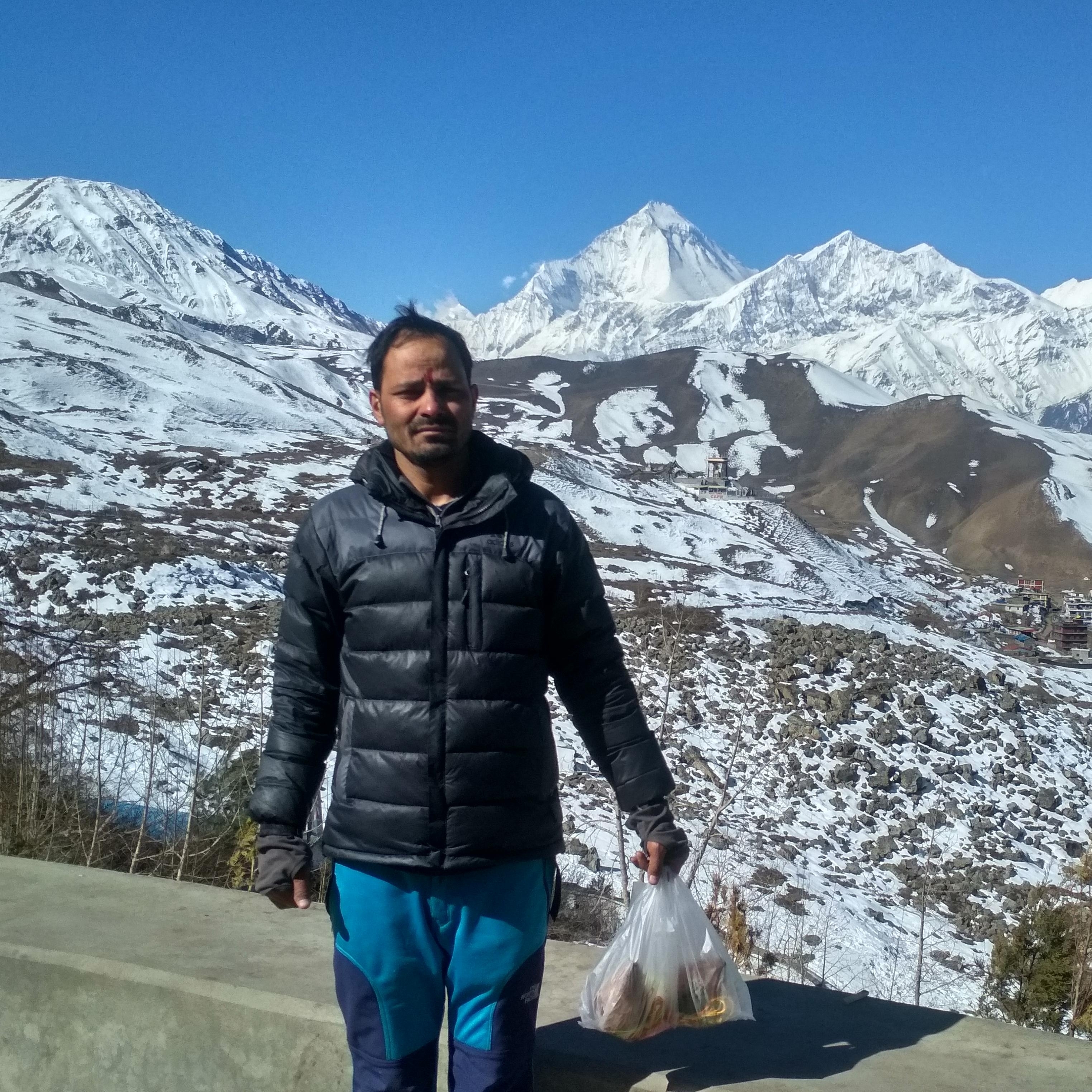
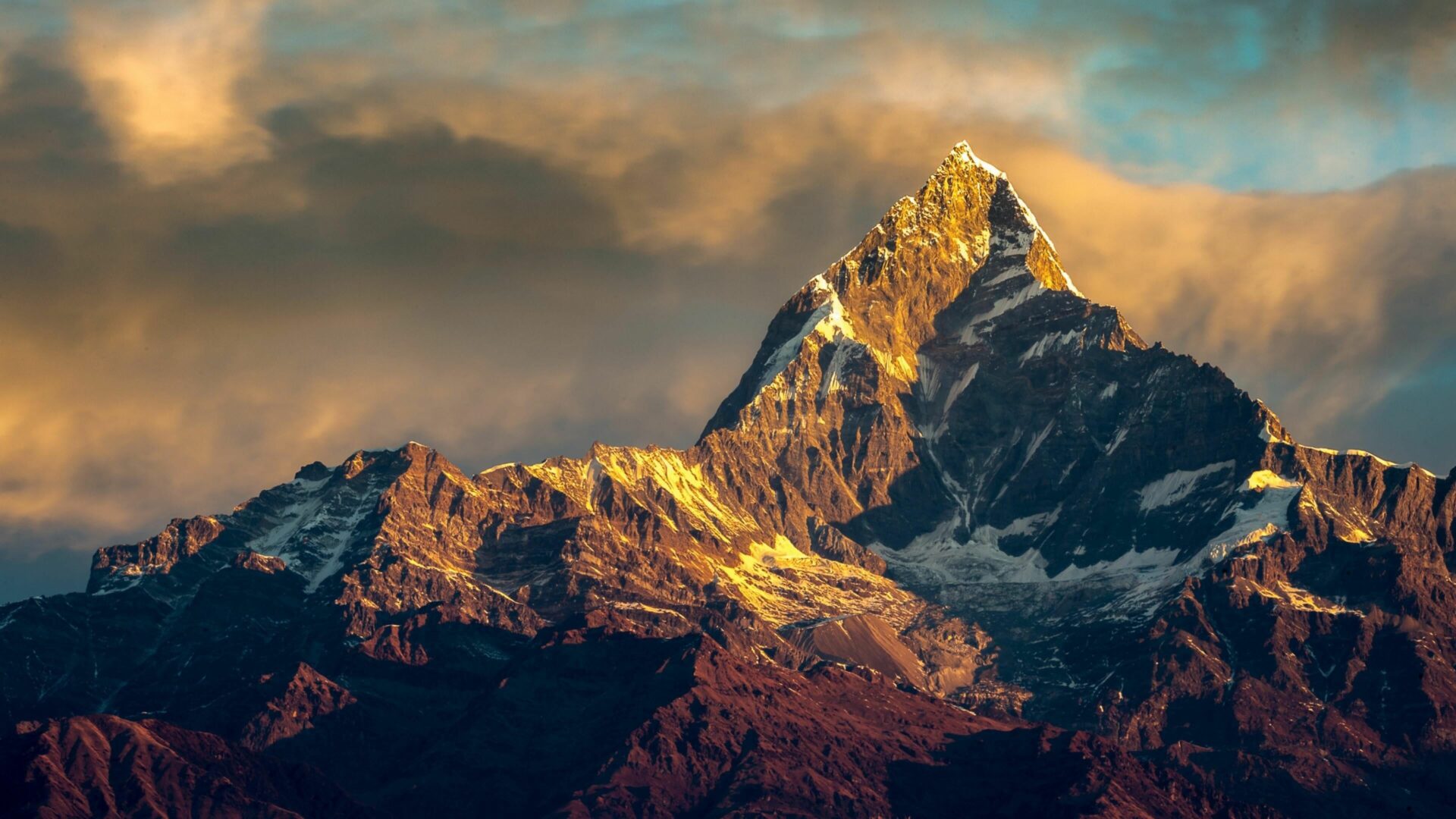
Stunning mountain views: Annapurna, Dhaulagiri, Gangapurna, Tilicho Peak, Nilgiri, and more.
Overview of Annapurna Circuit Trek
The Tilicho Lake & Thorong La Pass Trek is perhaps the most adventurous and most rewarding trek of its kind in the Annapurna region, giving trekkers all the ambiance, excitement, and breathtaking views of the old classic Annapurna Circuit, but with the side trip to Tilicho Lake (4,919 m) — the highest lake in the world! This trek is for those wanting to trek through absolutely stunning dramatic landscapes, marvel at rich local culture, and get the ultimate challenge of crossing Thorong La Pass (5,416 m) — one of the highest trekking passes on the planet! The adventure begins in Dharapani and to get to the lake you’ll trek up the Marsyangdi River valley through lush forests, waterfalls, and terrace farms before finally arriving in the alpine desert environments of Manang. The side trip to Tilicho lake is undoubtedly a highlight as you trek along cliffs, scree slopes, and get to visit a sacred turquoise lake, that will be surrounded by glaciers and snow peaks. The trek then rejoins the Annapurna Circuit to the altitude of Yak Kharka then Thorong Phedi and begin the final ascent to Thorong La Pass to take in the panoramic views of Annapurna, Dhaulagiri, Tilicho Peak, and Mustang at your feet. The trek then descends to the holy town of Muktinath and wind-swept Kali Gandaki Valley before making your way back to Pokhara by flight from Jomsom. This trek provides one of the best combinations of natural scenery, rich local culture, and physical endurance challenges you can undertake!
Culture of Annapurna Circuit Trek
This trek will provide you with a rich cultural experience as you transition from lush valleys of Lamjung to the high desert geography of Manang and Mustang, blending together ethnic groups and cultural traditions into one. People who live in the lower regions primarily include Gurungs and Magars, who allow Buddhism and Hinduism to coexist here. In addition to their activities during their umun or tihar festival the transition towards Manang introduces Tibetan Buddhist cultural elements into the landscape. Villages such as Ngawal, Manang, and Khangsar have stone houses that are flat-roofed, prayer flags, ancient monasteries and old chortens that date back to Tibetan culture centuries ago. Manang has ancient gompas and traditional stone alleys, and local people also share a special history that includes a unique knowledge of their own life in this mountain geography, that has allowed them to adapt. In the higher area of Muktinath and in Mustang the sites have cultural characteristics in spiritual form. Muktinath has one of the most sacred pilgrimage sites for Hindus and Buddhist, which they visit for the 108 water spouts, the eternal flames, and temples that pilgrims from all over South Asia continue to see. The trek is not just about mountains or lakes, but allows you to witness how diverse sets of communities that live together in harmony with nature and the spiritual in one of the most remote and beautiful places in the world.
Food during Annapurna Circuit Trek
Nutritional, uncomplicated, and made to provide trekkers with the energy for long days of walking in the high altitude, food during the Tilicho–Thorong La trek is very basic. The most common food is a Dal bhat (rice, lentils, vegetables, pickles, and, in some cases, meat), which are not only healthy but refillable (“Dal bhat power, 24-hour” is a saying among trekkers). Teahouses also serve popular Tibetan and Nepali inspired meals (momos, thukpa, chapati and curry, fried rice, chow mein) but the menus are more basic at high altitude locations like Siri Kharka, Tilicho Base Camp, Yak Kharka, where food may include variations of soups, porridge, pasta, potatoes, and other comfort food. Breakfast is usually Tibetan bread, pancakes, eggs, or muesli with either tea or coffee. Hot drinks like ginger lemon tea, masala tea, and butter tea are particularly popular to combat the cold. As the products that were available to trekker at low altitude move up each pass, prices do increase concerning altitude. However, food comes with local hospitality, which is heartwarming. Trekkers are encouraged to avoid heavy meat dishes at any higher altitude location, as freshness cannot be guaranteed! Regardless, food during the trek was a cultural experience and an essential fuel source for the journey.
Accommodation in Annapurna Circuit Trek
Accommodation follows the teahouse trekking model in which local families run small lodges providing food and room to trekkers. The teahouses themselves are quite comfortable in lower villages such as Chame, Pisang, or Manang with relatively comfortable twin bed rooms, warm blankets, and in some cases bathrooms attached. The teahouses and facilities in the higher, and more remote, area of the trail, such as Tilicho Base Camp and Thorong Phedi, are basic with shared bathrooms, limited hot showers, and no heating in guest rooms. The best part about staying in teahouses is the common dining halls, where trekkers gather around wood stoves in the evenings, share meals, and stories, etc. Power and WiFi are available in some villages but usually at an extra cost, especially as you get higher. The simplicity of these lodges greatly enhances the trekking experience and gives trekkers the opportunity to connect more with the locals and other trekkers. However, in Pokhara and Kathmandu trekkers can also enjoy modern hotels with full amenities to balance the rural charm of the mountains with some urban comfort.
Guide & Porter
We recommend hiring a professional trekking guide and porter for this trek because on this trek, this makes sense both for safety and for culture. A licensed guide will make sure that you and other trekkers stay on the correct trail, which is especially useful on the tricky sections towards Tilicho Lake and the traverse through Thorong La. They are also trained for emergencies and first-aid in altitude sickness situations. In addition to being safety services for the trek, the guide serves as a cultural interpreter, indicating local traditions, putting guests in touch with lodges, and mediating communication with villagers. In addition, porters carry almost all the pack loads (usually between 20 and 25 kg), and make the experience of walking all day much easier for trekkers since they can carry a lightweight pack. By hiring a guide and porter you are also supporting the local economy, as these mountain families often depend on trekking tourism for a living. In addition to their professional responsibilities, good guides and porters often become befriended and trusted members of your trekking experiences, to forge a personal connection to your experience.
Permits Needed for Annapurna Circuit Trek
To trek to Tilicho Lake and cross the Thorong La Pass, you need two permits:
1.. An Annapurna Conservation Area Permit (ACAP). This permit is needed to get into and trek in the Annapurna Conservation Area and contributes towards environmental conservation and tourist-based local community development.
2.. A Trekkers’ Information Management System (TIMS) Card. This is managed by the Nepal Tourism Board (NTB) along with trekking agencies and is essential for maintaining trekkers’ safety by tracking the details of trekkers routes to maintain an emergency use database.
You can obtain both permits in Kathmandu or Pokhara from the offices of the NTB. As of 2025 the ACAP is NPR 3,000 (USD ~25) for visitors, whereas the TIMS card is NPR 2,000 (USD ~15). You need to carry your permits on your trek because they will be checked at various checkpoints along the trail, such as Chame, Pisang and Manang. In addition to helping organize trekking, these permits also play an important role in developing sustainable tourism in Nepal.
Altitude Information of Annapurna Circuit Trek
The Tilicho–Thorong La trek will involve steep climbs and a lot of altitude gain; therefore, it is essential to acclimatize. This trek begins in Dharapani (1,960 m), where it gradually rises through Chame (2,710 m), Pisang (3,300 m), and Manang (3,540 m). From Manang, a side trip to Tilicho Lake reaches a height of 4,919 m, where the air is thin and the hike becomes strenuous. Afterwards, trekkers return to Siri Kharka and Yak Kharka (4,110 m), then head for Thorong Phedi (4,450 m) or High Camp (4,900 m) before crossing the highest point on the trek, Thorong La Pass (5,416 m). Once you descend to Muktinath (3,800 m), you will feel relieved of altitude, although the actual crossing of Thorong La is strenuous and requires preparation. If you do not complete this acclimatization safely, you risk exposing yourself to symptoms of AMS (Acute Mountain Sickness) such as headaches, nausea and lethargy. Acclimatization is often rushed, which is why a rest day in Manang is hugely important. Although the trek will take a lot out of you in terms of altitude gain, if trekkers go at a sensible pace, take in plenty of water and take enough rests, most trekkers will complete the trek successfully, and more importantly safely.
Best Trekking Times for Annapurna Circuit Trek
The most suitable times of year for this trek are spring (March-May) and fall (September-November).
Spring (March-May) – Warm sunny days along with blooming rhododendrons, clear blue skies, and often melted Tilicho Lake. The turquoise waters of the lake fully reflects the surrounding peaks snow capped with a white blanket.
Fall (September-November) – Stable weather, crisp mountain days, and the most trekking, busiest season for Annapurna treks. The teahouses and trails and all the people make the experience more vibrant and vivid.
Winter (December-February) – The skies are typically clear but extremely cold, and are prone to heavy snow fall that can lead to unsafe and sometimes impassable conditions over Thorong La Pass and Tilicho Lake and requires only experienced trekkers with winter gear.
Summer/onset monsoon (June-August) – In the lower sections weather can be dictated by heavy rain and muddy trekking and leeches. However the upside of trekking in the summer is the new greenery and less people. The Mustang side beyond Thorong La Pass is in the rain-shadow, so while the descent to Muktinath and Jomsom may be wet, it is relatively dry considering trail conditions elsewhere.
For your safety and overall enjoyment and satisfaction, spring and fall are considered the preferred trekking seasons.
Conclusion of Annapurna Circuit Trek:
It is the ultimate trekking adventures in the Himalayas. Over a two-week period, trekkers are treated to a unique blend of geography from subtropical valleys, alpine forest, and a barren high-altitude desert. The trek also has cultural depth as it leads trekkers through how the traditional Gurung, Manangi, and Thakali people live, with their various traditions, forms of architecture, and their hospitality. Of course, the ultimate highlight is the breathtaking sight of Tilicho Lake (4,919 km), the highest glacial lake in the world, nestled with snow-capped mountains — a picture that will last for eternity. Crossing the iconic Thorong La Pass (5,416 m.) is both a physical challenge and rewarding experience both at the culmination and at the end, when you are surrounded by the expansive views of the Annapurna and Dhaulagiri ranges.
Unlike most treks, this one is about much more than a trek through mountains; it was about re-establishing a connection, to the ancient trails, to sacred places, like Muktinath, and to the resilient mountain communities, who live as one with nature. This trek takes place in relatively comfortable teahouses, has nourishing local food, and is well supported by professional guides and porters. For those who are looking for an adventure that balances challenge, diverse scenery and culture, the Annapurna Circuit with Tilicho Lake is one of the best trekking adventures available.