Mera Peak Climbing – 2 days
Mera Peak Climbing – 2 days Highlights
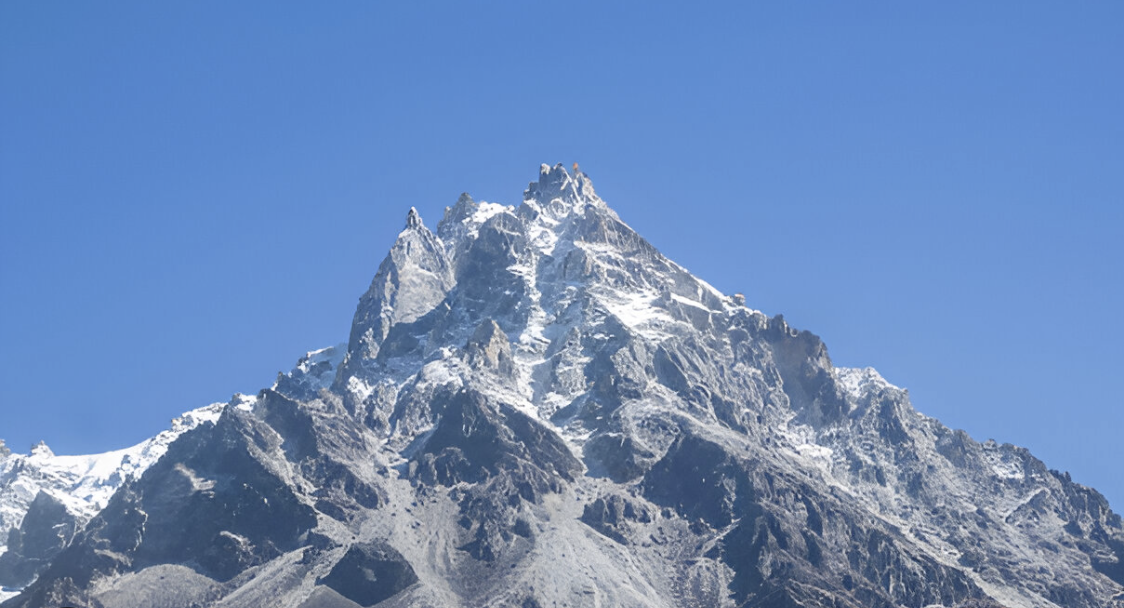
Summit of Mera Peak (6,476m) with panoramic Himalayan views.
Trek across the Mera Glacier and moraines.
Overnight stay at High Camp (5,200m) in tents.
Stunning alpine scenery, snow-covered slopes, and valleys.
Cultural encounters with local communities in Khira and nearby villages.
Short but intense 2-day high-altitude adventure.
Test of physical endurance and mountaineering skills.
Excellent photography opportunities of peaks and glaciers.
Supported trek with professional guide and optional porter.
Accessible high-altitude climb for fit trekkers with moderate mountaineering experience.
Overview:
With a height of 6,476 meters (21,247 feet), Mera Peak is one of Nepal’s most visited trekking destinations and a great starting point for high-altitude mountaineering. The combination of its unmatched Himalayan vistas, manageable technical difficulty, and accessibility accounts for its popularity. For travelers with limited time who wish to experience the exhilaration of climbing a Himalayan peak while trekking through stunning scenery, glaciers, and high-altitude camps, the peak provides a condensed adventure. Trekking through alpine forests and moraines, glacier travel, and snow climbing are all experiences that climbers have over the course of two days. The experience culminates in breath-taking views of the world’s highest mountains, including Everest, Lhotse, Cho Oyu, Makalu, Baruntse, and Island Peak.
Details of the Altitude:
The 2-day ascent begins at Khira village, which is about 3,800 meters above sea level and can be reached by jeep or a quick hike from neighboring trailheads. On the first day, climbers reach the 5,200-meter-high High Camp, where they spend the night in tents set up specifically for mountaineering. Trekkers can acclimate and get ready for the high-altitude climb at this camp, which acts as the staging area for the summit attempt. Climbers start the summit push on Day 2 after waking up very early, typically between 1:00 and 2:00 am. Depending on weather, snow conditions, and climber fitness, the ascent takes several hours to reach Mera Peak’s 6,476-meter summit. After enjoying the views and celebrating, climbers descend carefully to High Camp for a meal and then continue to Khira for overnight rest.
Safety and Advice:
Because Mera Peak is rated as moderate to difficult, it is imperative that visitors be physically fit, properly acclimated, and knowledgeable about the fundamentals of mountaineering. Trekkers should pack enough high-energy snacks, wear layered clothing appropriate for extremely cold temperatures, and stay hydrated during the ascent. For stability, especially on icy or uneven terrain, walking poles are advised. It’s critical to recognize the signs of altitude sickness, which include headache, nausea, and dizziness. Climbers should avoid exerting themselves too much and should descend right away if they experience severe symptoms. Safety is greatly increased by using a guide, especially for novice climbers.
Best Weather and Season:
Spring (March–May) and fall (September–November) are the best seasons to visit Mera Peak. Rhododendrons bloom in the lower and mid-altitude forests in the spring, and the higher slopes are free of snow, providing good visibility and mild daytime temperatures. Autumn is ideal for photographing the Himalayan landscape because it brings clear skies, crisp air, and few clouds. Although it is possible to climb in the winter months of December through February, it is very cold, with temperatures at the summit falling below -15°C and heavy snow making the climb more technically challenging. It is not advised to go during the monsoon season (June–August) because of the slick paths, frequent landslides, intense rains, and poor visibility.
Guide and Porter:
Although it is not required for seasoned hikers, hiring a guide and porter is strongly advised for comfort, safety, and a more fulfilling experience. The route is led by a mountain guide, who also oversees acclimatization plans, keeps an eye out for altitude sickness in climbers, gives thorough information about the nearby peaks, glaciers, and local customs, and makes sure everyone is safe on steep snow slopes and glacier areas. Climbers only need to carry a daypack with necessities like water, snacks, extra clothing, camera gear, and first aid kits because a porter can carry bulky trekking gear and luggage. Trekkers can now concentrate fully on the ascent without being distracted by their bulky backpacks. A guide-cum-porter, which is inexpensive but restricts the total weight carried, is provided by many trekking agencies.
Permits for Mera Peak Climb
Mera Peak Climbing Permit (NMA Special Climbing Permit)
Issued by the Nepal Mountaineering Association (NMA).
Cost depends on the season:
Spring (March–May): USD 250 per person
Autumn (Sept–Nov): USD 125 per person
Winter (Dec–Feb): USD 70 per person
Summer/Monsoon (Jun–Aug): USD 70 per person
Makalu Barun National Park Entry Permit
Required because Mera Peak lies in Makalu Barun National Park.
Fee: NPR 3,000 per person (approx. USD 25) for foreigners.
Khumbu Pasang Lhamu Rural Municipality Permit (Local Permit)
Needed for entering the Khumbu region.
Fee: NPR 2,000 per person (approx. USD 15).