Api Himal Trek
Api Himal Trek Highlights
Api Himal Trek is situated in the far-western region of Nepal, close to the border with Tibet, in the extreme northwest corner, the highest peak in the Yoka Pahar section of the Gurans Himal, a part of the Himalayas, that is seldom visited. The Tibetan language is where the name API (which means “grandmother”) originates. With 6779 residents, it rises sharply above the surrounding low terrain. One of Nepal’s priceless treasures, it is guarded by the Api Nampa Conservation Area. Along with the mountain, this conservation area preserved the area’s natural beauty and ecosystem.
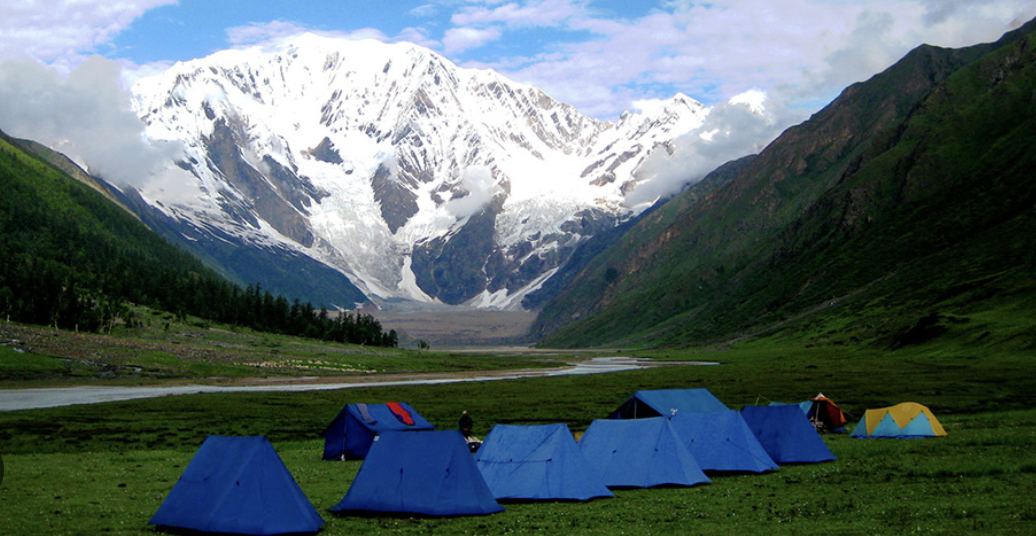
One of Nepal’s top trekking routes is the API Base Camp trek. Subtropical to alpine forests and vegetation, waterfalls, lakes, grasslands, steep gorges, and the Mahakali valley all abound along the pathway. In addition, you can explore a diverse community, authentic and innovatively preserved culture, tradition, and way of life, as well as take in the sights and sounds of various birds.
Trekkers can feast their eyes on Dhangadhi’s sights, including the botanical garden, aircraft museum, and Jokhar Lake, by participating in the API Base Camp Trek. The highlight of the trail is the breathtaking views of mountains like Mt. Thado Dhunga Tuppa (5368 m), Api Himal, Rajamba (6537 m), Saipal (7031 m), Mt. Nandadevi (7817 m), and other peaks.
People, Culture and Religion
The majority of API’s population is devoted to Lord Shiva (Mahadev). For dairy products, every household raises cows rather than buffalo. Nearly all cow-produced goods are sacred. Its milk can be offered to Lord Shiva; during pooja or weeding, even urine and cow dung are used. Individuals are generous, loving, industrious, and hospitable. Nearly every person in the village is proficient in spinning sheep wool into thread, which is then used to weave a wide variety of garments, including coats, sweaters, and socks. In addition, they cultivate their own organic vegetables and crops, which they sell when they can. Major vegetables and crops include kidney beans, turnips, barley, wheat, corn, spinach, carrots, and turnips.
Best time to visit
Almost all the seasons are suitable for trekking Api Himal. But the different season provides different sightseeing and trekking experience. The best season offers many more exciting and eye- catching views of the nature.
August to early November
In Nepal, there are numerous festivals during this season. The weather is fantastic, the temperature is moderate (not too hot or cold), the sky is clear, the forests are green, and the hills are colorful due to a variety of wildflowers. Families get together to cook delectable food, brew wine, and visit relatives to receive blessings during this time of year. People have harvested their crops, primarily rice, and are ready to celebrate the festivals. In order to welcome new visitors to their homes and villages, those who have moved away from the villages return and clean and paint the houses, remove bushes from the trails, and perform other maintenance. They would love to invite anyone to join them in celebrating as they are all in a joyful mood. Now is the ideal moment to get a genuine local experience.
March to April
The national flower of Nepal, rhododendron, blossoms in this season. The red carpets of rhododendron cover the hills of Nepal. Despite the dry season, the trail is exciting to walk on because of the variety of wildflowers blooming at the same time, and the fresh air smells good. Additionally, wild honey bees gather nectar from herbs during this time to produce mad honey.
May to July
People congregate during this season to harvest Yarsagumba, the most expensive herb in the world. As a result, the base camp area will be crowded, resembling a bazaar. In a similar vein, you can witness the harvesting and trading of Yarshagumba, as well as the life of a shepherd tending to hundreds of sheep at once. It’s also a great time for hikers who enjoy rural nomadic lifestyles, waterfalls, and green forests.
Foods
For lunch and dinner on the Api Himal trek, you’ll primarily be served kidney beans (rajma dal), rice, and vegetable curry made with seasonal vegetables like potato, spinach, barela, etc. along with ghee. If you are fortunate, you may occasionally get to eat sheep’s meat. There’s plenty of butter milk (mohi) available for consumption, along with regional curd. Another option is barley-based vodka, which you should only take on your way back from base camp. You can have roti tarkari (chapatti and vegetable curry), puri tarkari, noodle soup, herbal tea, and other dishes for breakfast. The three main villages you will pass through on the base camp trek are Ghusa, Siti, and Kayakot. Since Kayakot is the last village, practically all of our food needs must be met by the local shepherds.
Accommodation
The rooms come furnished with a standard bed, a thin mattress, and a few blankets. Additionally, it’s common to have a large shared bed where four to five people must sleep together and infrequently, individual beds. After leaving the village, you will reside in a shepherd’s property. Therefore, we advise you to bring a warm jacket and your own sleeping bag.
Travel Insurance
Travel insurance is also required for any trek in Nepal, including the API trek. Make sure your travel insurance covers physically demanding and potentially dangerous activities like hiking, mountaineering, trekking, and high altitude sports. In the event of an unplanned accident, it provides you with peace of mind and financial protection.
Guide and Porter
The majority of treks in Nepal, including the trek to the Api Base Camp, require porters and guides. Therefore, all hikers must obtain a TIMS card and a licensed trekking guide’s services from approved trekking agencies that are officially registered with the Nepali government. Thus, we advise you to use Nepal Holiday Treks and Tours Pvt. Ltd. to arrange your travel. The guides are qualified, helpful, and active. They also speak English, and most importantly, they hold a government-issued license.
Additionally, as you are aware, the Api Trek is a legitimately remote trekking route located in western Nepal. It has not yet been commercialized. For your journey to be memorable and comfortable, you will therefore require a guide and a porter. Here, we offer a guide with guide insurance as needed. They are knowledgeable about safety performance and possess technical competence. They always have the necessary supplies, first aid kits, and safety equipment to ensure your trip is secure. Our top priority is keeping you safe.
Altitude Sickness
It is common in the Himalayas above the altitude of 3000 m. Here are some things you can do to prevent yourself from getting altitude sickness.
- Stop and rest where you are.
- Do not go any higher.
- Drink plenty of water.
- Notify the guide as soon as the symptoms like headache, nausea, tiredness etc appear.